
Providing education, research, problem-solving, and service in nuclear science and engineering
RadLab
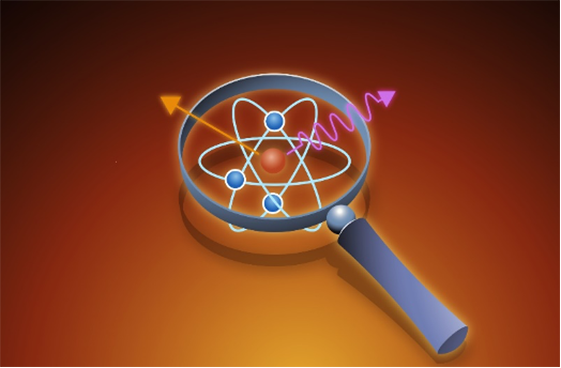
The RadLab at The University of Texas at Austin focuses on research using radiation and radioactivity to improve security and quality of life.
Learn More
Reactor
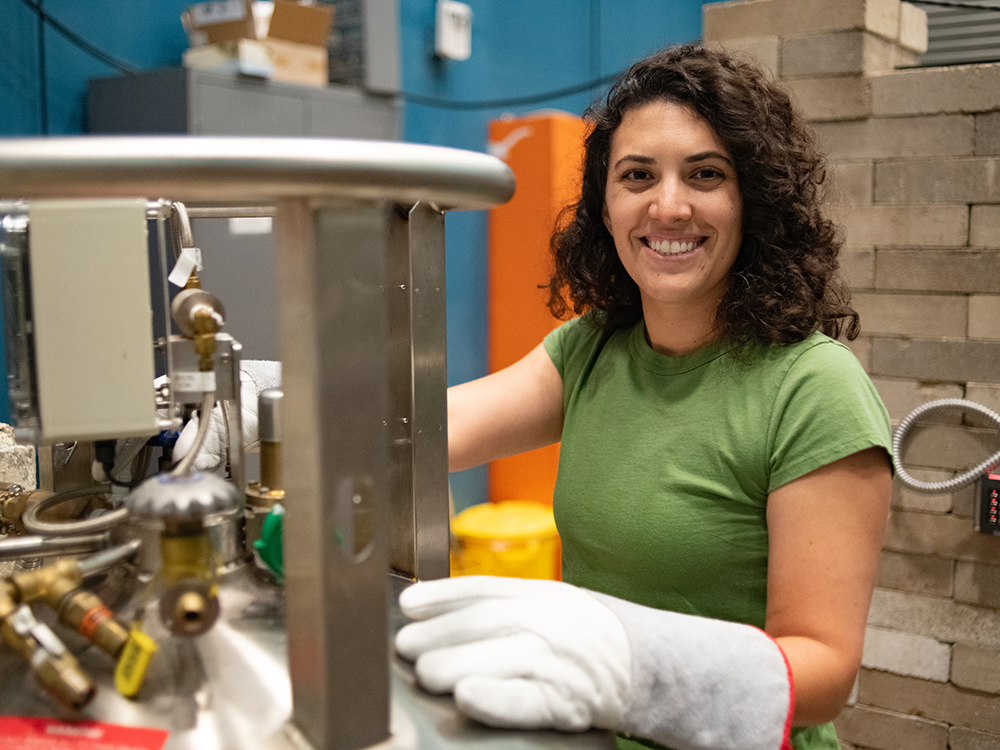
The NETL reactor, designed by General Atomics, is a TRIGA Mark II nuclear research reactor. The NETL is the newest of the current fleet of U.S. university reactors.
Learn More
Robotics
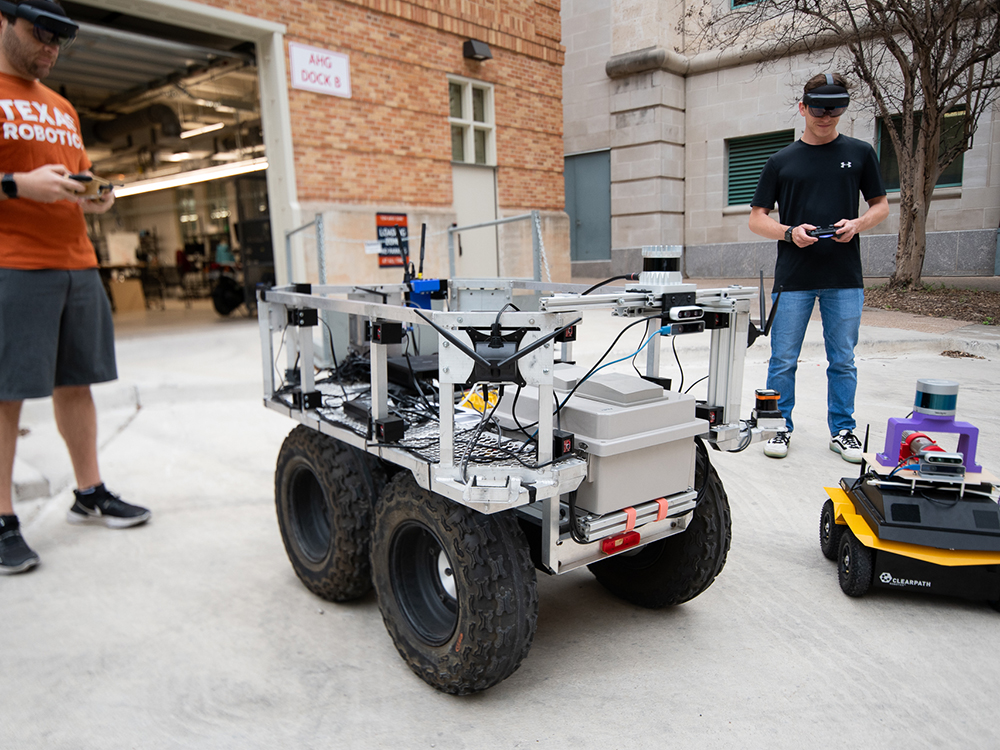
The Nuclear and Applied Robotics Group is an interdisciplinary research group whose mission is to develop and deploy advanced robotics in hazardous environments in order to minimize risk for the human operator.
Visit NRG
REACTOR
One of the major resources at the Nuclear Engineering Teaching Laboratory is the people. NETL personnel help researchers and clients design and build experiment apparatus, choose the best analytical methods, and help in the interpretation of the results.
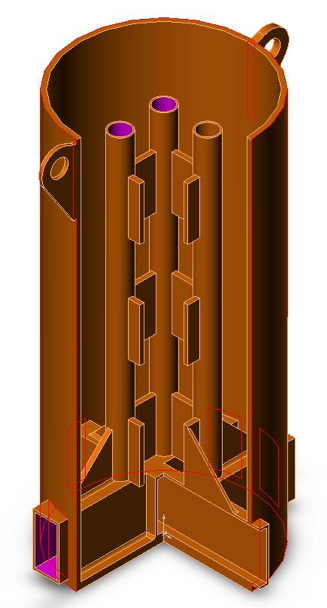
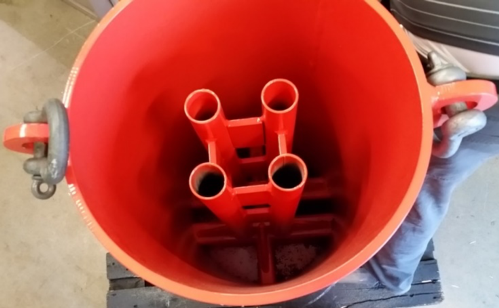
NETL personnel have developed procedures for researcher and client use, conducted regulatory audits at various locations, and assisted in applying for radioactive materials licenses. While nuclear and radiation related areas are our specialty, the breadth of knowledge of NETL personnel extends outside those areas to allow a multi-disciplined approach to creative solutions for our clients.
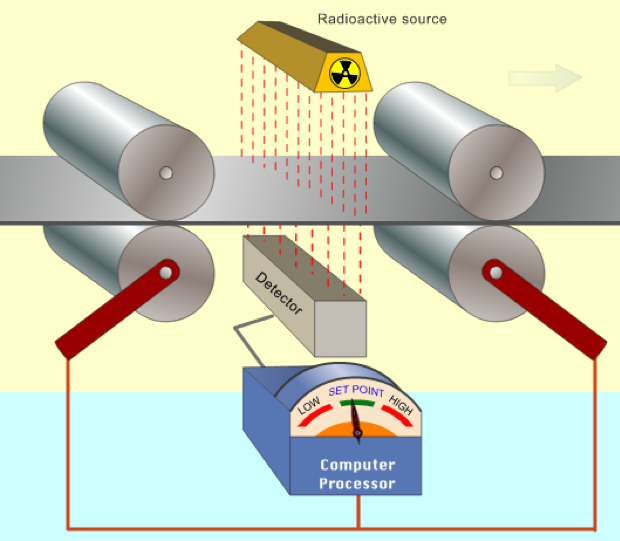
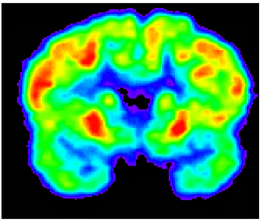
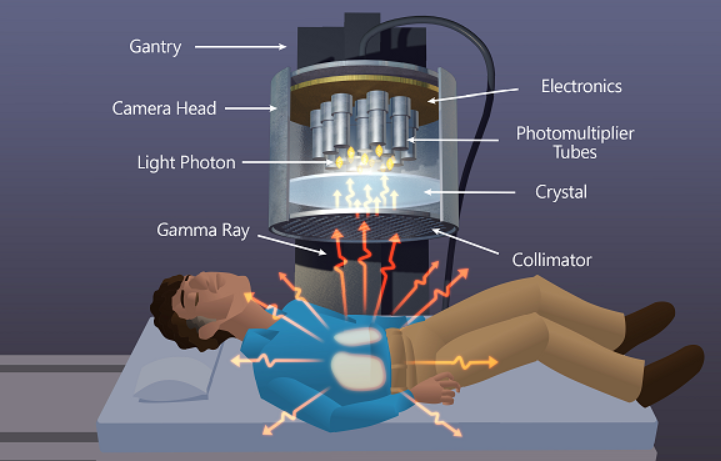
Radioisotopes have a variety of applications in research, industry, and medicine. Research uses of radioisotopes vary widely from tracers in biological systems to development of systems for detecting covert nuclear weapons. Industrial uses include thickness measurement using the transmission of radiation through a material, material flow measurement by injecting radioactive tracers into the flow path, detecting explosives, and electrical power generation using radioisotope thermoelectric generators. Radioisotopes are used in medicine for diagnostic imaging as well as treatment of diseases such as hyperthyroidism and cancer. The Nuclear Engineering Teaching Laboratory can produce a variety of radioisotopes to meet client needs.
The unique capabilities of NETL make it conducive for collaborative research. Recent projects have been related to radiation oncology dosimetry, hydrogen embrittlement of metals, and development of nuclear medicine products. The varied knowledge and experience of NETL staff can be a valuable resource for your research needs.
The Nuclear Engineering Teaching Laboratory is an innovative facility with unique capabilities. Services provided by the NETL are available to researchers and clients both within and outside The University of Texas at Austin including international clients. Services include education and training, nuclear and radiation related research, nuclear analytical services, radioisotope production, and specialized technical services. With the varied areas of specialty of NETL staff, NETL welcomes all nuclear and radiation related inquiries.
Nuclear and Radiation Research
NETL research areas are typically related to nuclear forensics but also include robotics applications along with other areas.
Nuclear Analytical Research and Services
Trace element analysis using neutron activation analysis and prompt gamma activation analysis. Measuring distribution of elements in material using neutron depth profiling. Imaging materials with neutron radiography.
Radioisotope Production
The NETL can produce a variety of radioisotopes for use in research, nuclear medicine, and industrial processes.
Technical Services
The NETL staff have a variety of areas of specialty to aid in design and development of experiments, processes, and products.
$20M+
In funding for molten salt reactor development
60+
Graduate students
$1.7M
Research expenditures per tenured/tenure-track faculty in FY23
News
NRE Student, Braden Pecora, awarded inaugural KBH Computation Energy Fellowship

Nuclear and Radiation Engineering graduate student Braden Pecora has been selected as the 2026–27 Kay Bailey Hutchison (KBH) Computational Energy Fellow, a joint fellowship from the Oden Institute for Computational Engineering and Sciences and the KBH Energy Center at UT Austin.
The fellowship recognizes an outstanding Oden Institute graduate student or postdoctoral fellow who contributes computational science expertise to the educational programming of the KBH Energy Center's Energy Studies Minor.
Register for event with Commissioner David Wright, March 31
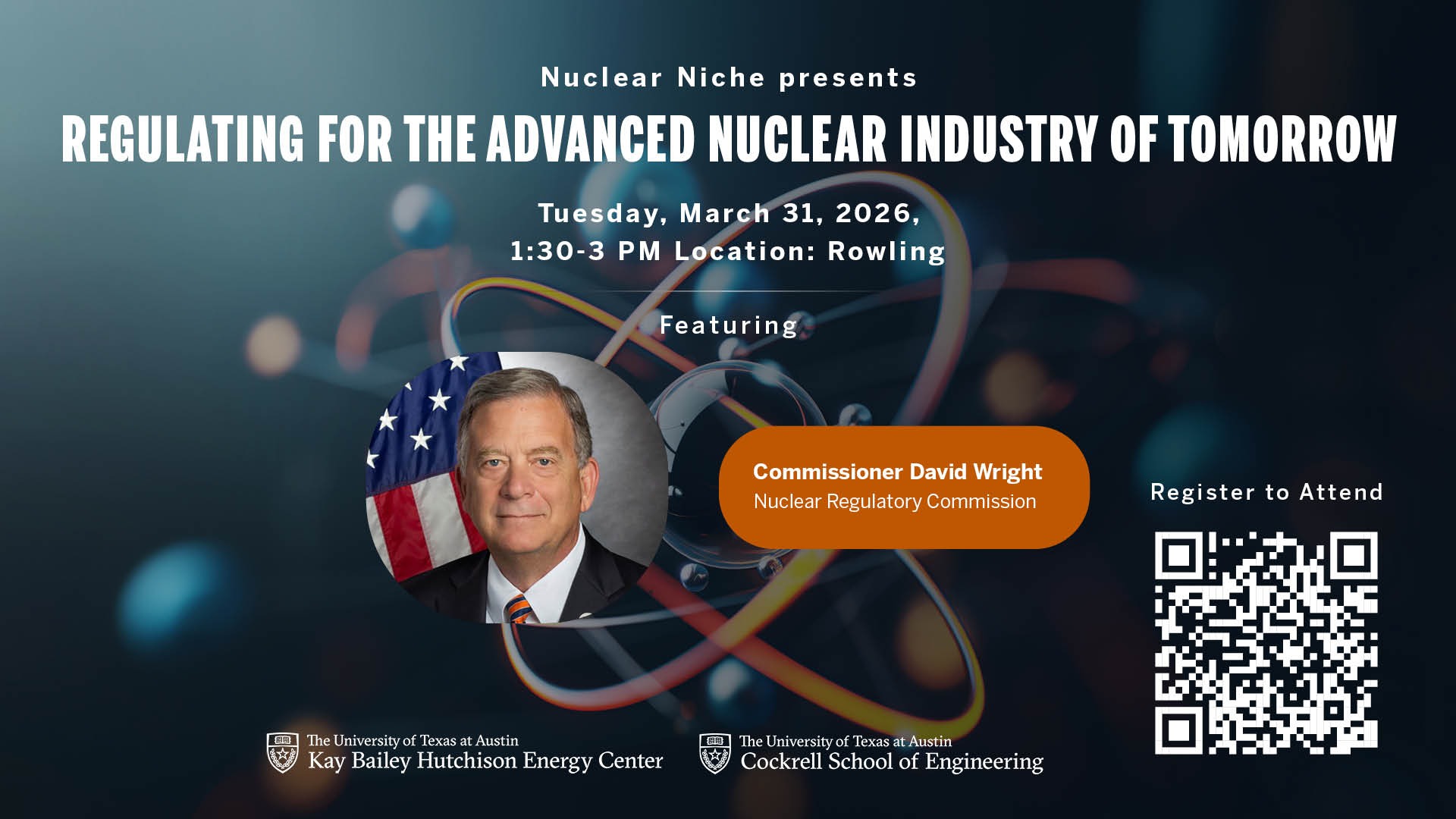
Join the UT Nuclear Niche for an in-person fireside chat with Commissioner David Wright of the Nuclear Regulatory Commission. Use the QR code below or this link to register.
📍 Rowling 5.210
🗓 Tuesday, March 31, 2026
⏰ 1:30–3:00 PM
🍭 Light bites provided
New Publication on the economic viability of nuclear power in Texas
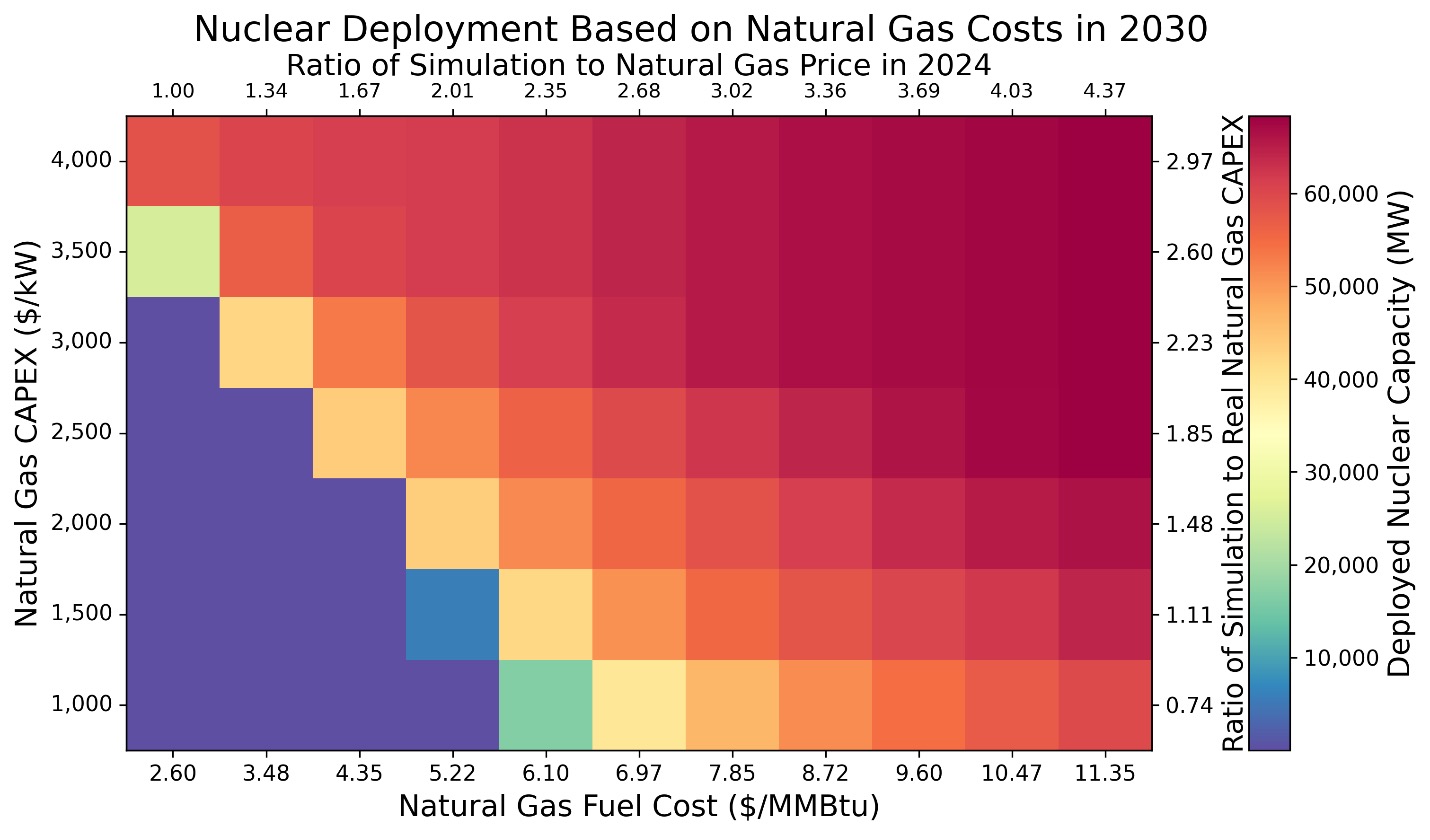
Current PhD student Ivy Seidel published the peer-reviewed paper, Investigating nuclear energy viability in Texas with decision making model GenX, in the journal Energy Economics. This paper focuses on the analysis of the economic viability of Nuclear Power in Texas. Seidel utilized open source capacity expansion model GenX to weigh the cost of unserved energy against the cost of implementing nuclear power in the face of electricity demand growth Texas. ERCOT is expected to experience a dramatic increase in the number of data centers being constructed due to the favorable economic landscape of the state, this would greatly impact industrial power draw and need to be accounted for in the coming years. A sharp rise in power demand along with expected population growth is predicted to cause a near doubling of the average electricity demand in Texas by 2030.
Register for Fireside Chat with Isabelle Boemeke March 24th
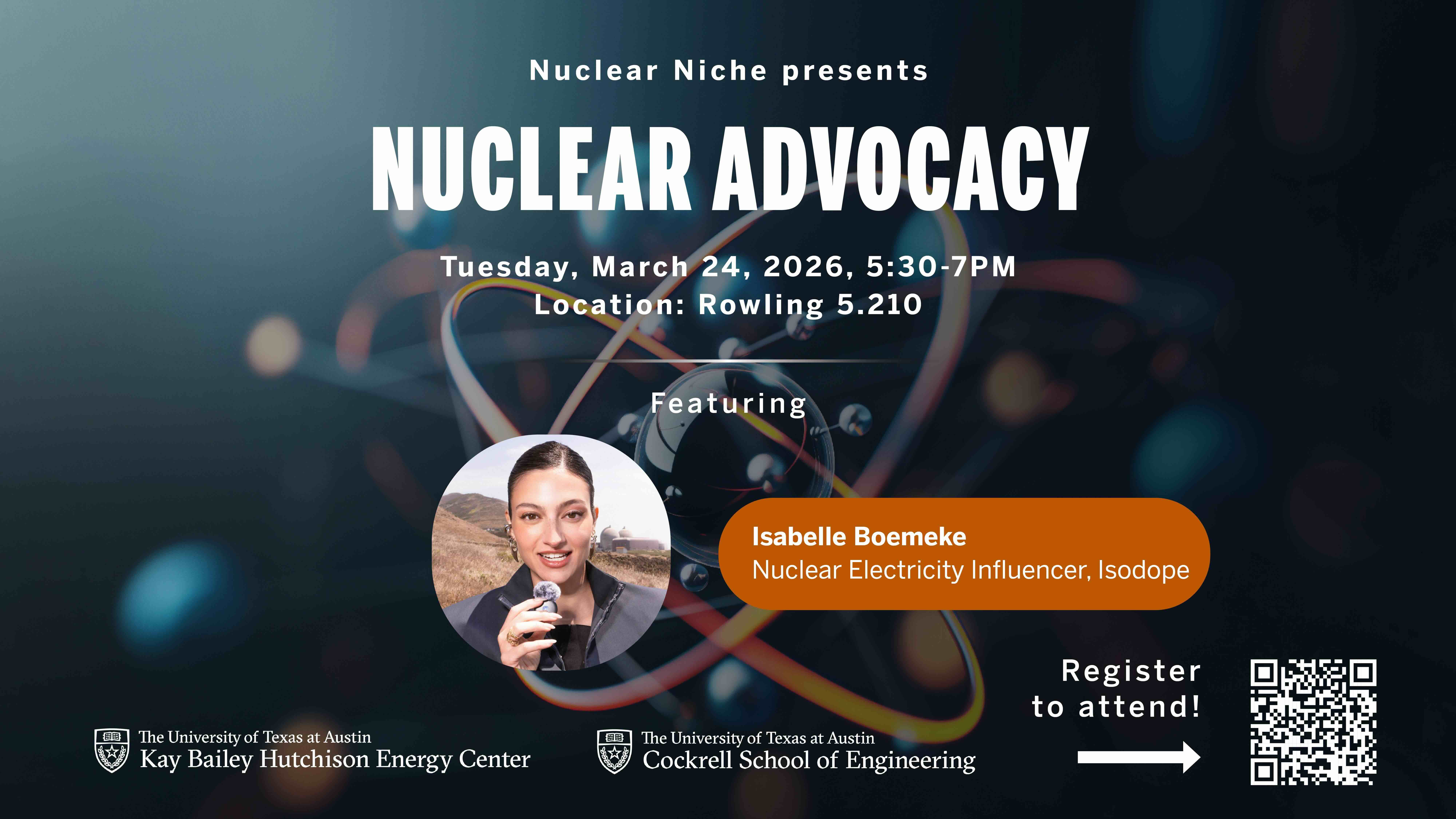
Join the UT Nuclear Niche for an in-person fireside chat with Isabelle Boemeke on Advocacy in the Last Nuclear Renaissance. Use the QR code below or this link to register.
📍 Rowling 5.210
🗓 Tuesday, March 24, 2026
⏰ 5:30–7:00 PM
New Publication by Dr. Seo

Dr. Jeongwon Seo's paper, Softmax-Based Deep Neural Network in Regression, was recently published in the Journal of VVUQ. While traditional AI regression models are great at giving a single "average" answer, they often struggle with the messy, unpredictable nature of real-world data.
To overcome this, Dr. Seo's approach borrows a clever tactic from classification: by breaking continuous outputs into discrete 'bins', the model can predict not just a single number, but the entire landscape of probabilities.
